The Star Festival - Lesson Plans & Instructional Guides
The Star Festival 3-lesson unit, created by Moni Ritchie Hadley.
Download lessons 1-3 below, or visit the California Educators Together website.
Unit Overview:
Students will explore a culturally diverse story, THE STAR FESTIVAL, in this three-lesson ELA unit. The lessons aim to engage 3rd-grade students in Los Angeles County, including English Language (ELD) learners at the bridging proficiency level and addressing students from varied backgrounds.
Lesson 1:
Students will access prior knowledge of personal cultural events, relate their own experiences to key story ideas, identify new vocabulary, discuss inferences from illustrations, respond to open-ended questions with oral and written responses, and recount the story plot of a cultural story by responding to focused and open-ended questions.
Lesson 2:
In this lesson, students will read a mythological story, identify the key elements of the myth, and compare and contrast the elements of the story myth, characters, setting, plot, or resolution- with the overarching story of the book through collaborative discussions, assembling answers in a chart, and recording one element of the story in a Venn diagram graphic organizer. Students will write to demonstrate understanding of the parallel story structure.
Lesson 3:
In this lesson, students will build on the previous lessons and express a written opinion about the author’s purpose, providing reasons supporting the opinion using words such as because, therefore, since, & for example, in response to a diverse literary text.
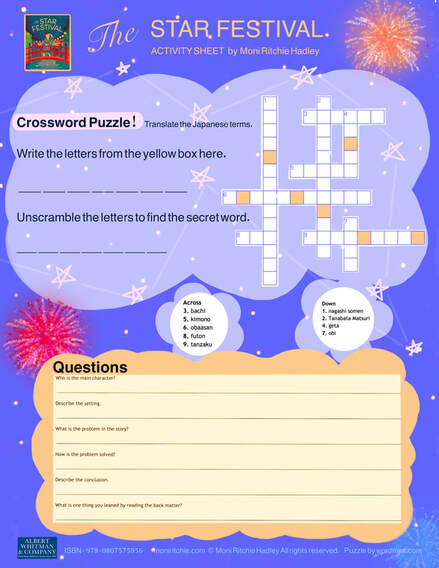
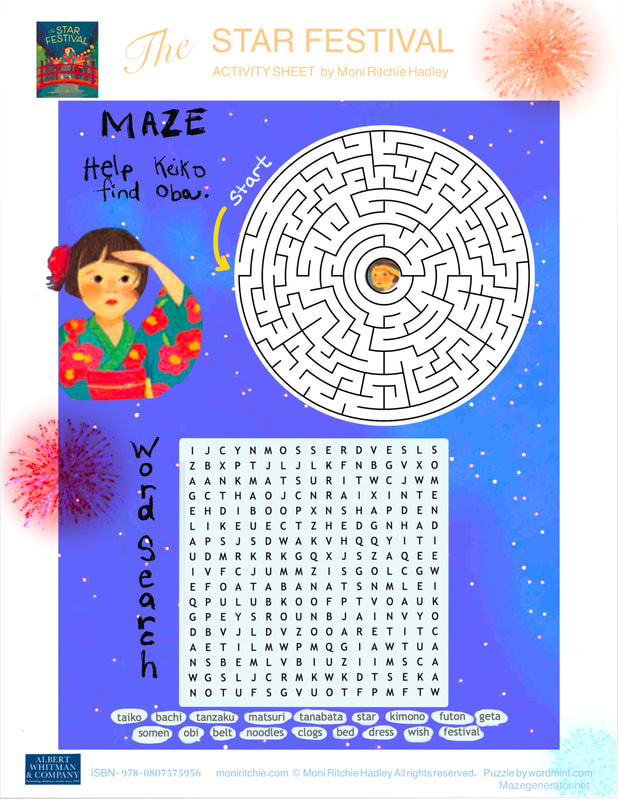
Resources (shown below) accompany the lesson plans.
Students will explore a culturally diverse story, THE STAR FESTIVAL, in this three-lesson ELA unit. The lessons aim to engage 3rd-grade students in Los Angeles County, including English Language (ELD) learners at the bridging proficiency level and addressing students from varied backgrounds.
Lesson 1:
Students will access prior knowledge of personal cultural events, relate their own experiences to key story ideas, identify new vocabulary, discuss inferences from illustrations, respond to open-ended questions with oral and written responses, and recount the story plot of a cultural story by responding to focused and open-ended questions.
Lesson 2:
In this lesson, students will read a mythological story, identify the key elements of the myth, and compare and contrast the elements of the story myth, characters, setting, plot, or resolution- with the overarching story of the book through collaborative discussions, assembling answers in a chart, and recording one element of the story in a Venn diagram graphic organizer. Students will write to demonstrate understanding of the parallel story structure.
Lesson 3:
In this lesson, students will build on the previous lessons and express a written opinion about the author’s purpose, providing reasons supporting the opinion using words such as because, therefore, since, & for example, in response to a diverse literary text.
Resources (shown below) accompany the lesson plans.